Special Exhibition

Special Presentation

Reopening with a New Permanent Exhibition

18 September – 13 November 2011

The new permanent exhibition shows all the highlights of the Abegg-Stiftung’s world-class collection including several new acquisitions which are now going on show for the first time. The main part of the exhibition is the collection of sumptuous textiles from Europe, the eastern Mediterranean and regions along the Silk Road. These are arranged in chronological order illustrating the development of textile art in both East and West, while the open-plan exhibition architecture enables visitors to look back and ahead and to change direction at will. The time span of the textiles exhibited extends from the fourth century BC to the eighteenth century A.D. Paintings, sculptures and important works of applied art are also on display and shed light on the interrelationships between textiles and other arts.
PressetextCommuniqué de pressePress ReleasePressetextMaster’s Thesis Poster

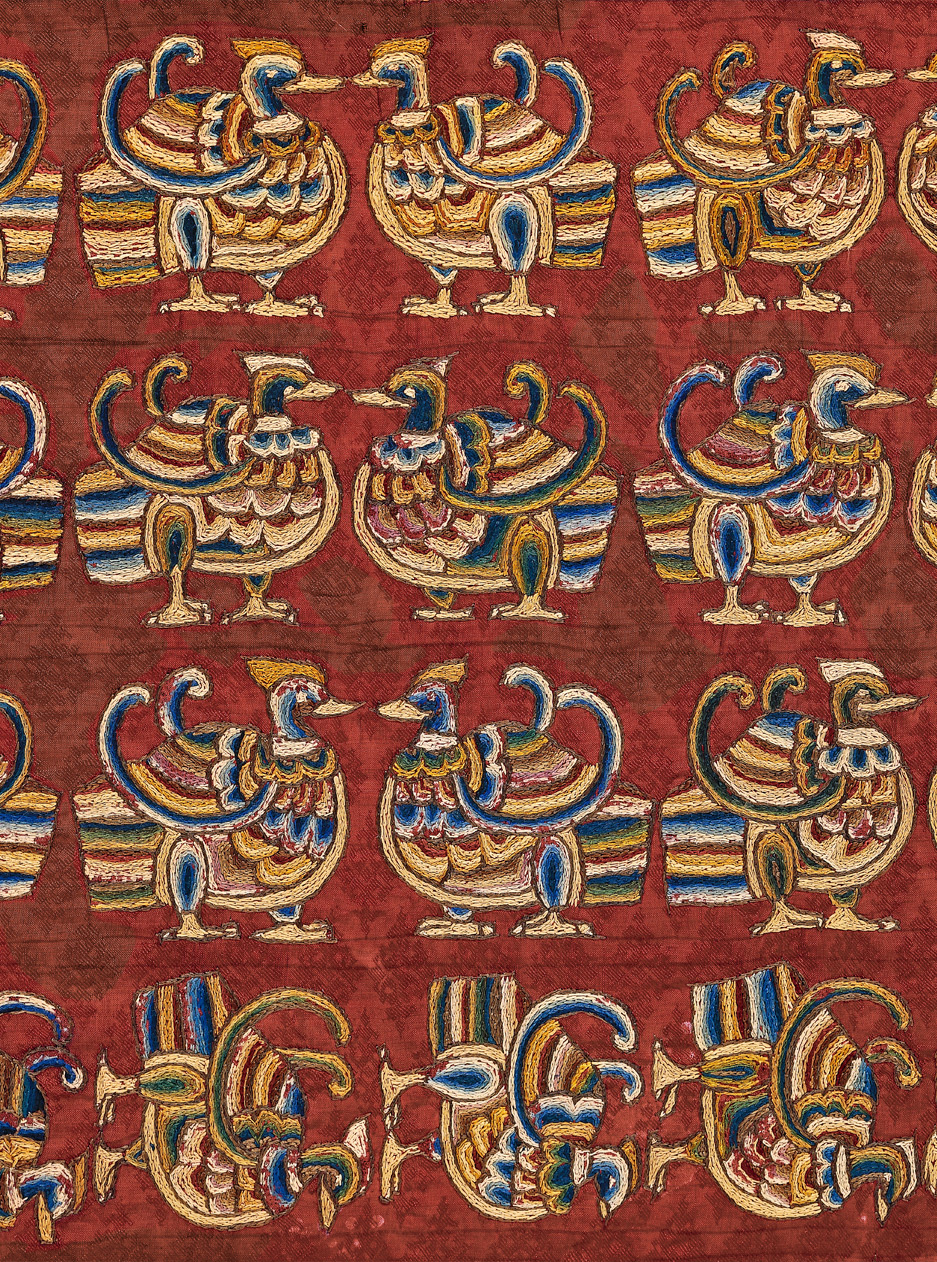
Silk damask with embroidered ducks Textiles from the regions along the Silk Road play an important role in the newly furnished permanent exhibition. This red silk was woven in China and embroidered in Central Asia with stylised duck motifs that may be traced back to Persian prototypes, thus documenting the exchange of goods and motifs between east and west. │ Central Asia, 7th–8th century A.D., inv. no. 4902

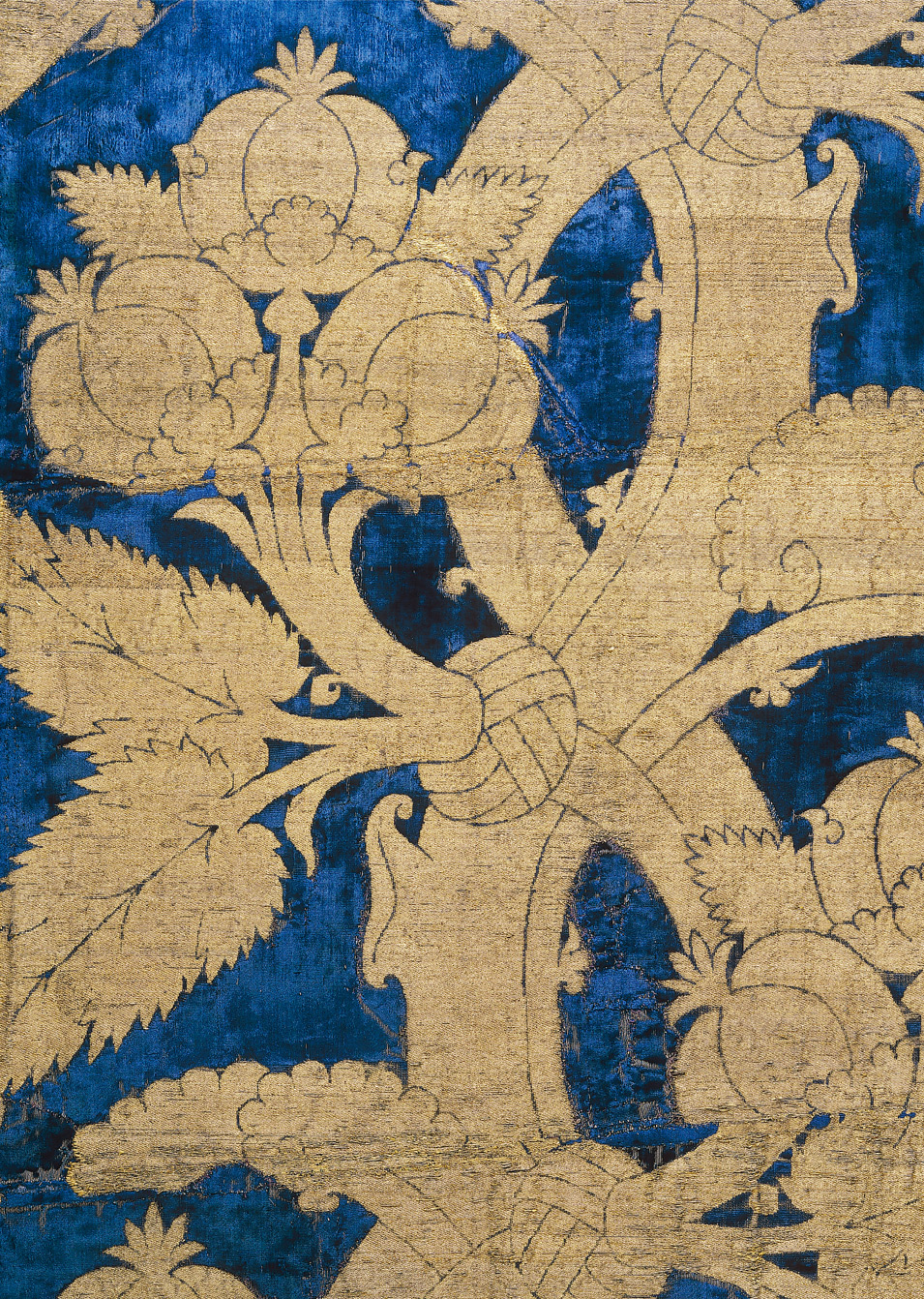
Velvet with pomegranate pattern Among the most luxurious silk weavings in the new permanent exhibition of the Abegg-Stiftung is this blue velvet with a pomegranate pattern brocaded in gold threads. │ Italy, 15th century, inv. no. 818

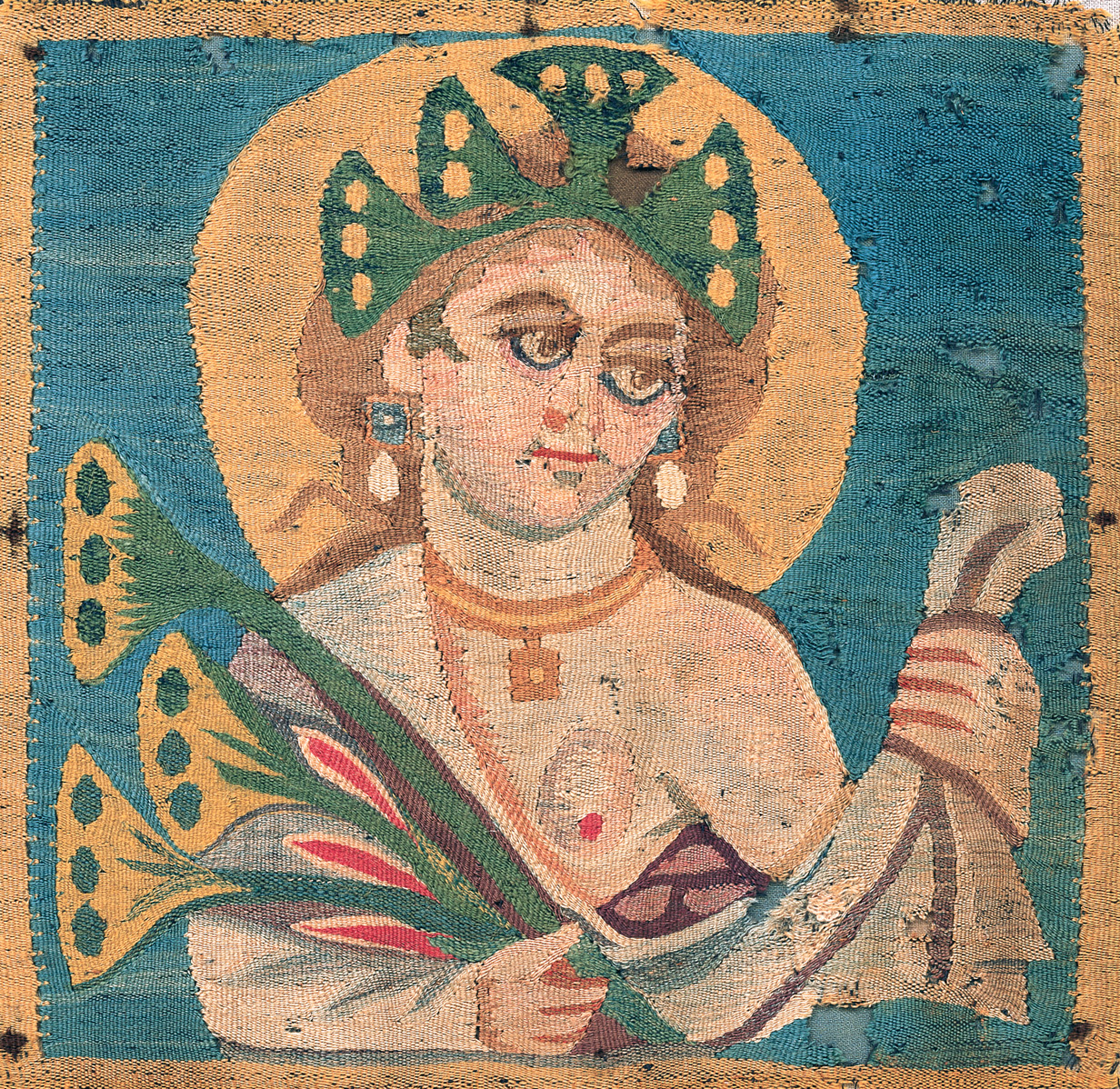
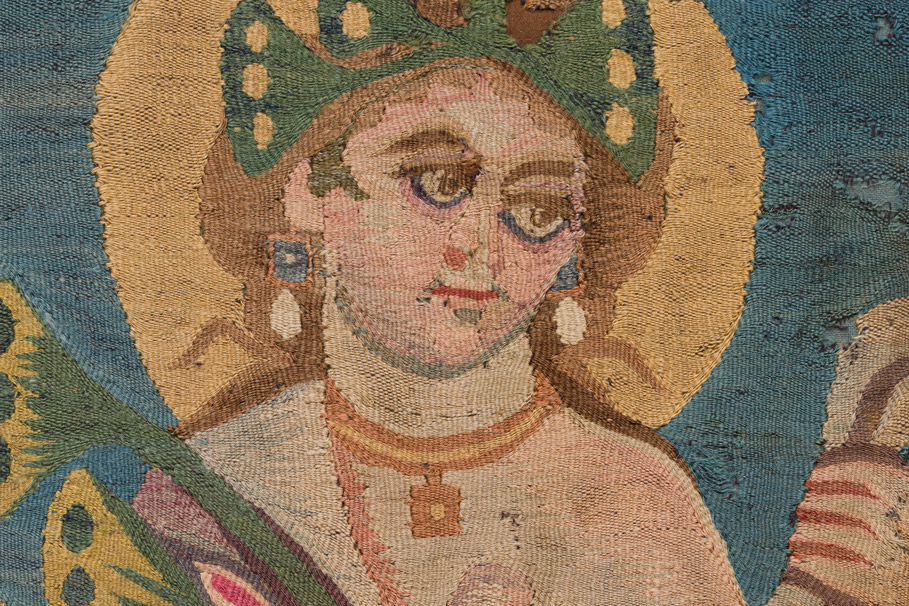
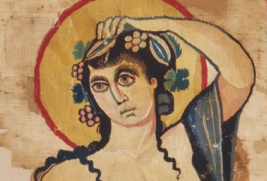
Personification of spring With its delicate colour transitions and shading this tapestry weaving appears almost painterly. Originally it was probably part of a larger hanging with images of the four seasons. │ Egypt, 3rd–4th century A.D., inv. no. 5345

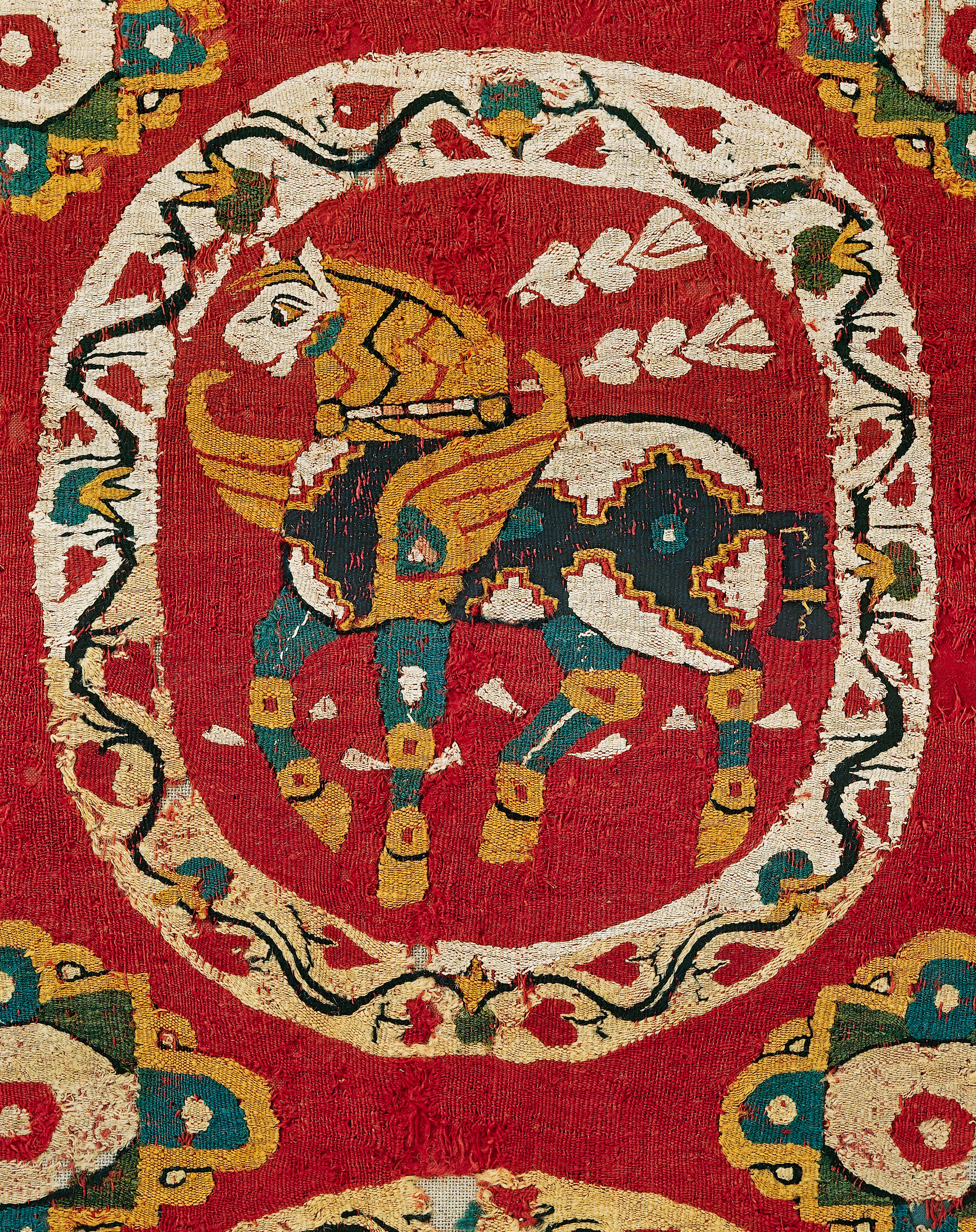
Hanging with winged horses (detail). The colourful hanging with winged horses in medallions reflects the rich textile production in ancient times. It has been preserved due to the dry desert climate. │ Egypt, 4th–6th century, inv. no. 2191

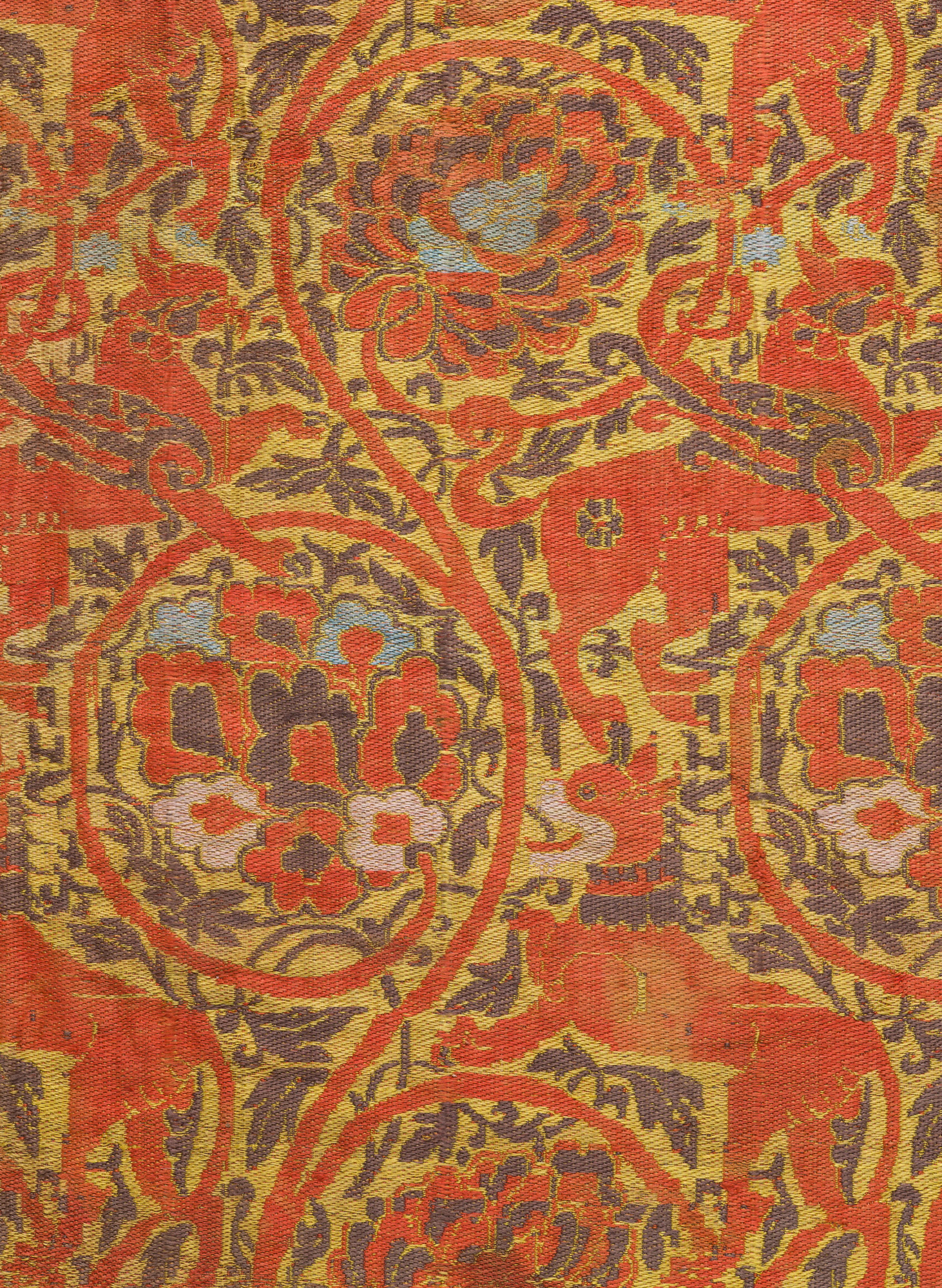
Silk weaving with dogs, griffons and blossoms This colourful silk is one of numerous textiles that are for the first time on display in the new permanent exhibition. │ Central Asia, 13th century, inv. no. 5326 a-b

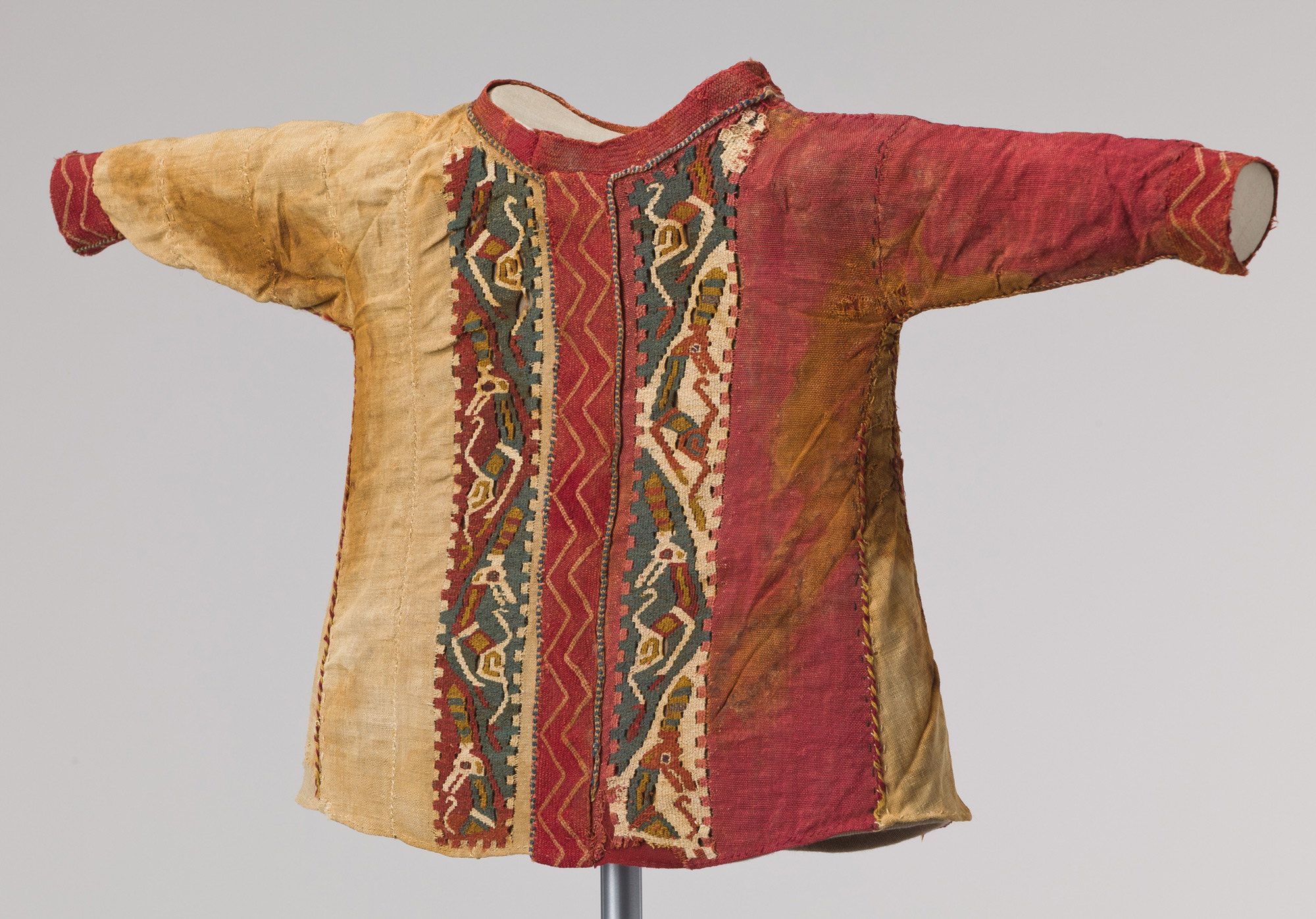
Woollen child’s shirt This almost 2000 years old child’s shirt is one of the highlights in the new exhibition. Together with further rare textiles it transports the visitor to past and distant worlds. │ Eastern Central Asia, 4th–2nd century B.C., inv. no. 5567

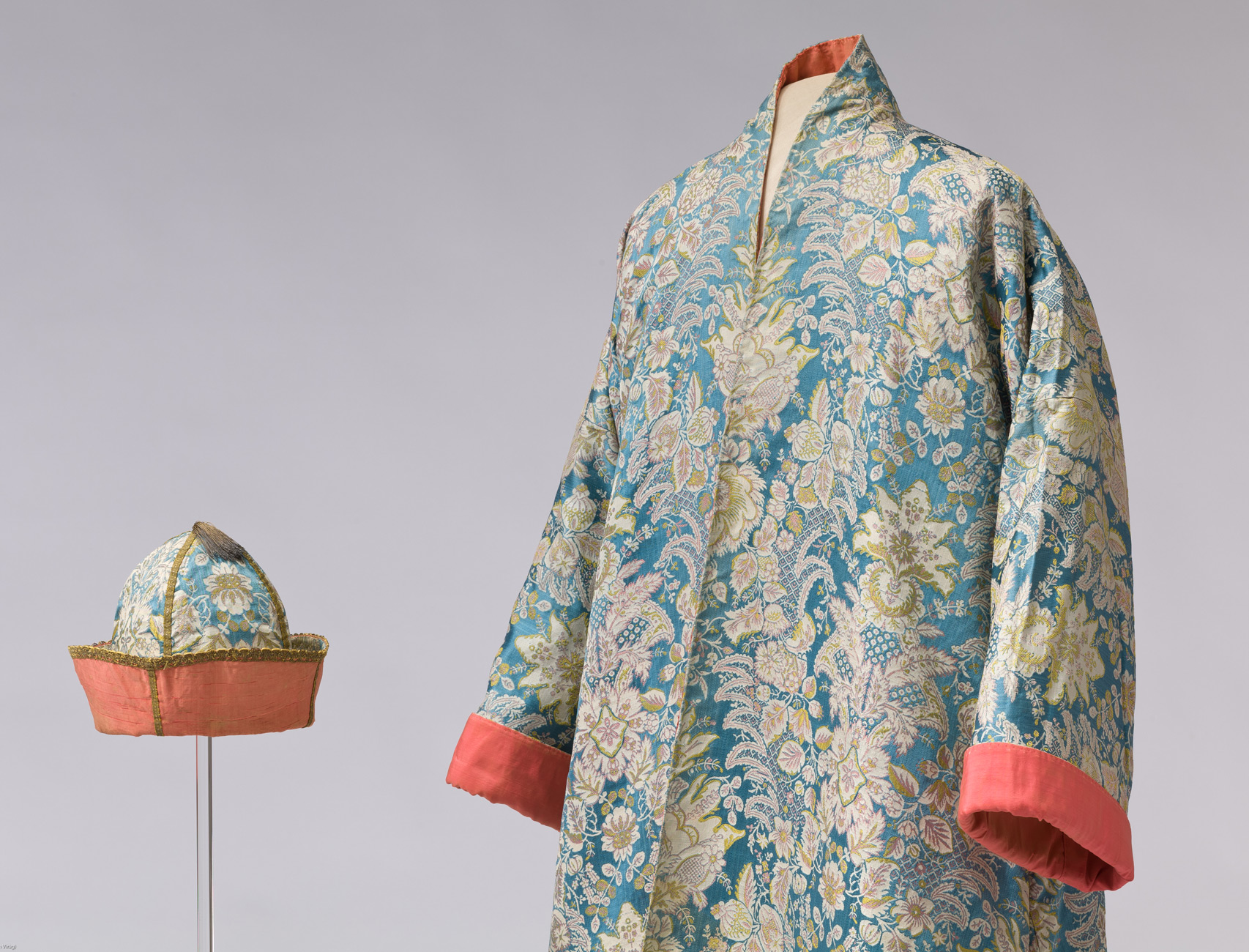
Silk banyan with matching cap This luxurious garment was worn by a gentleman at home over shirt and trousers. It is on view for the first time. │ Italy, 1720–1730, inv. no. 5546 a-b